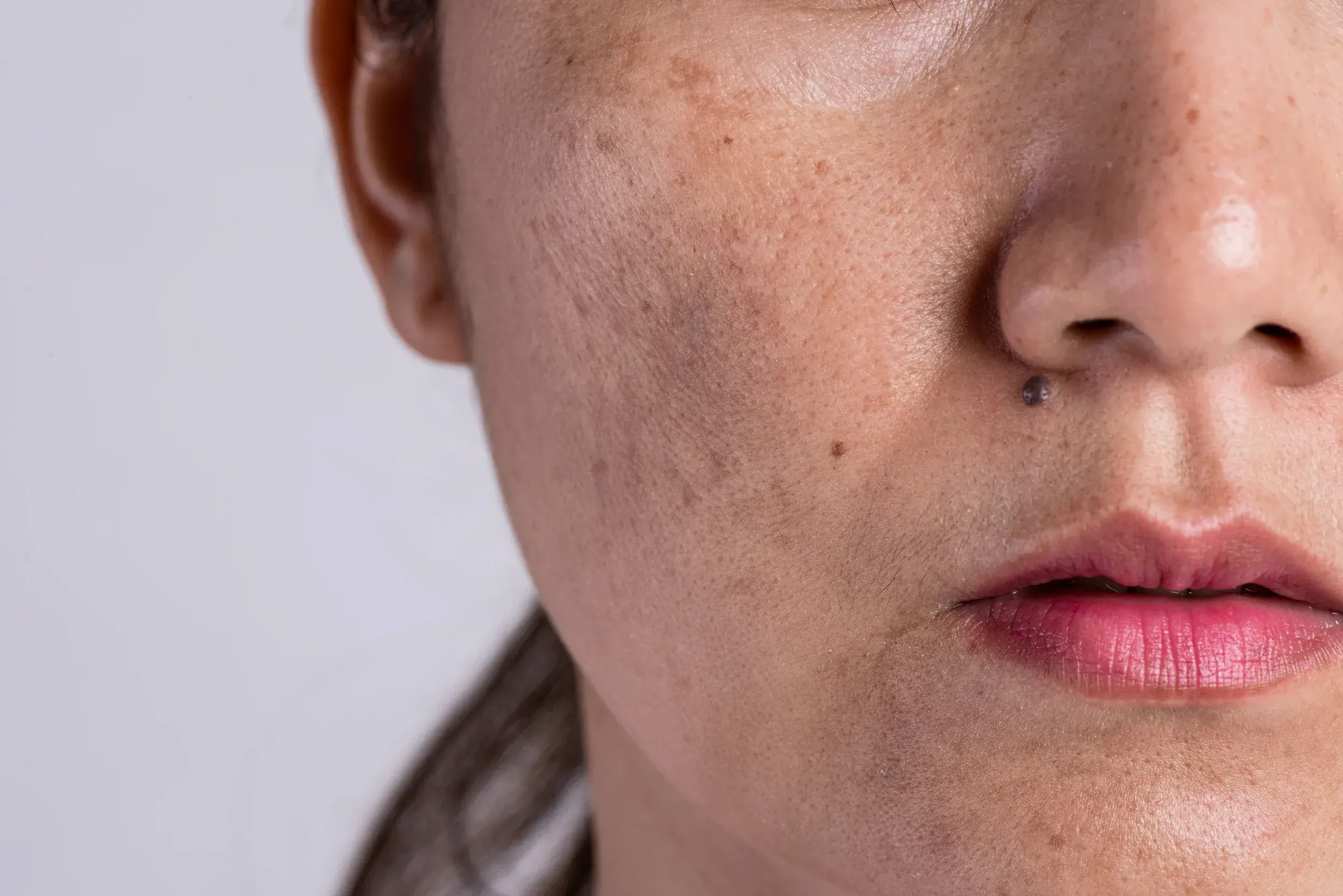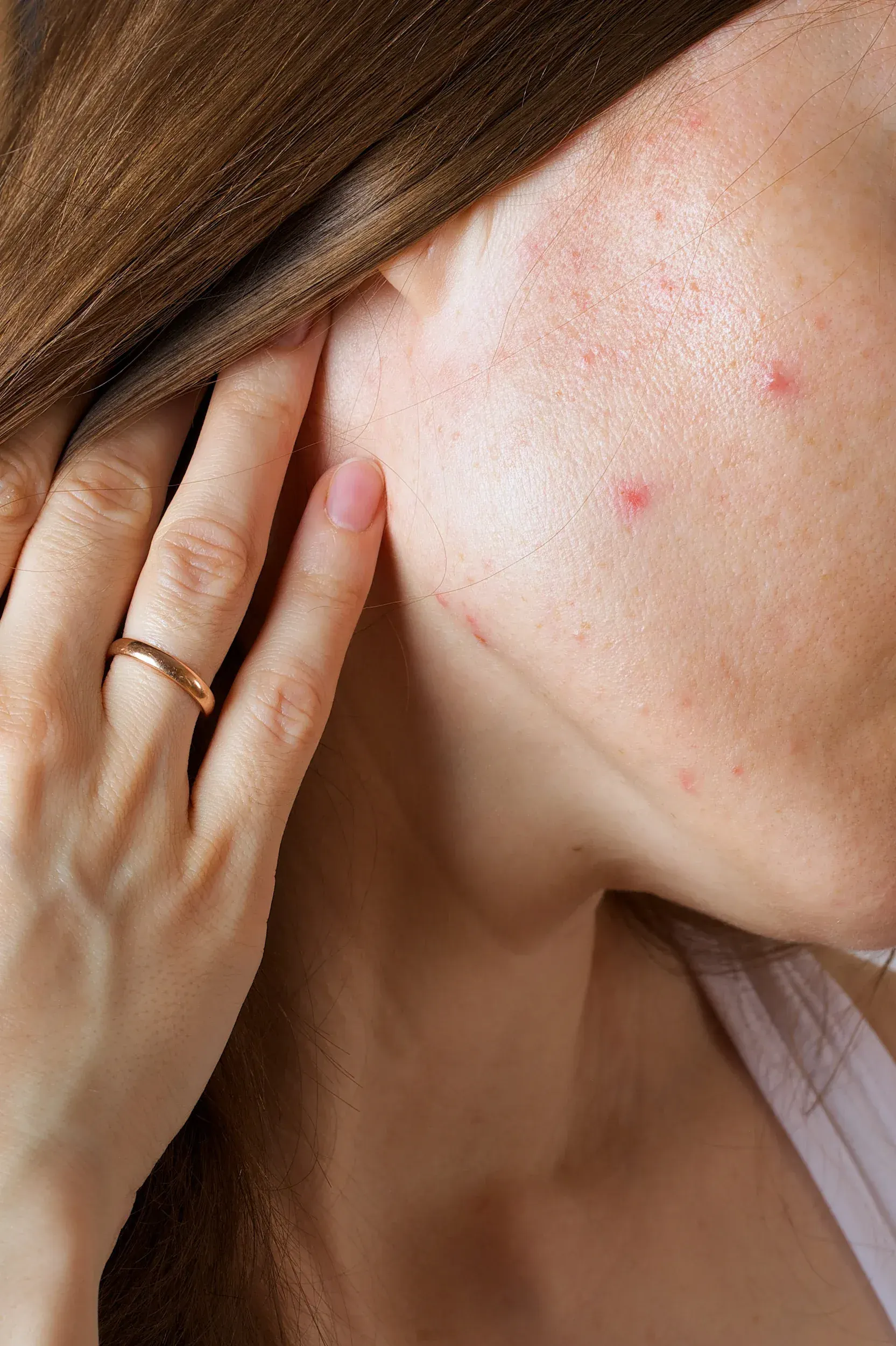
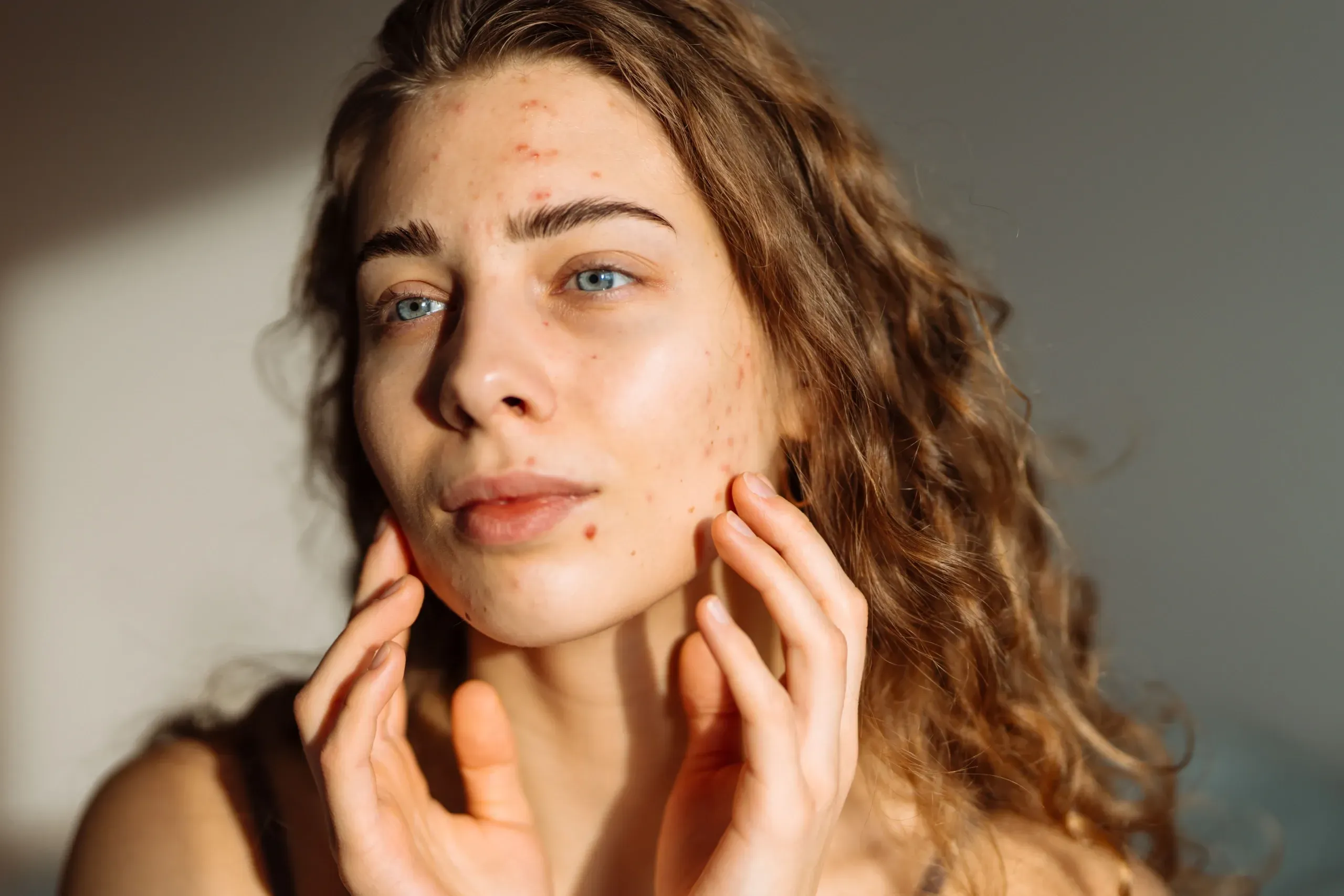
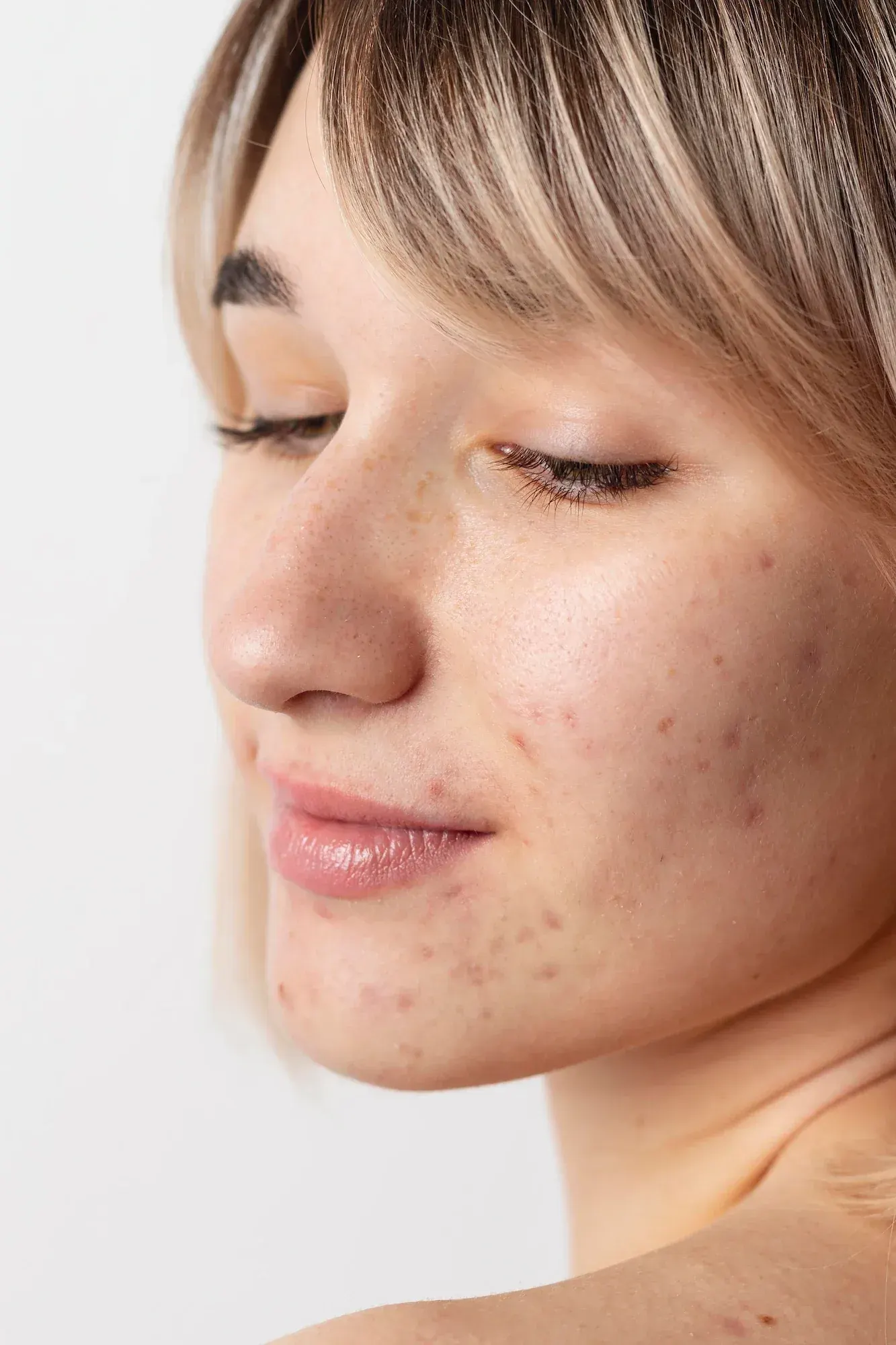
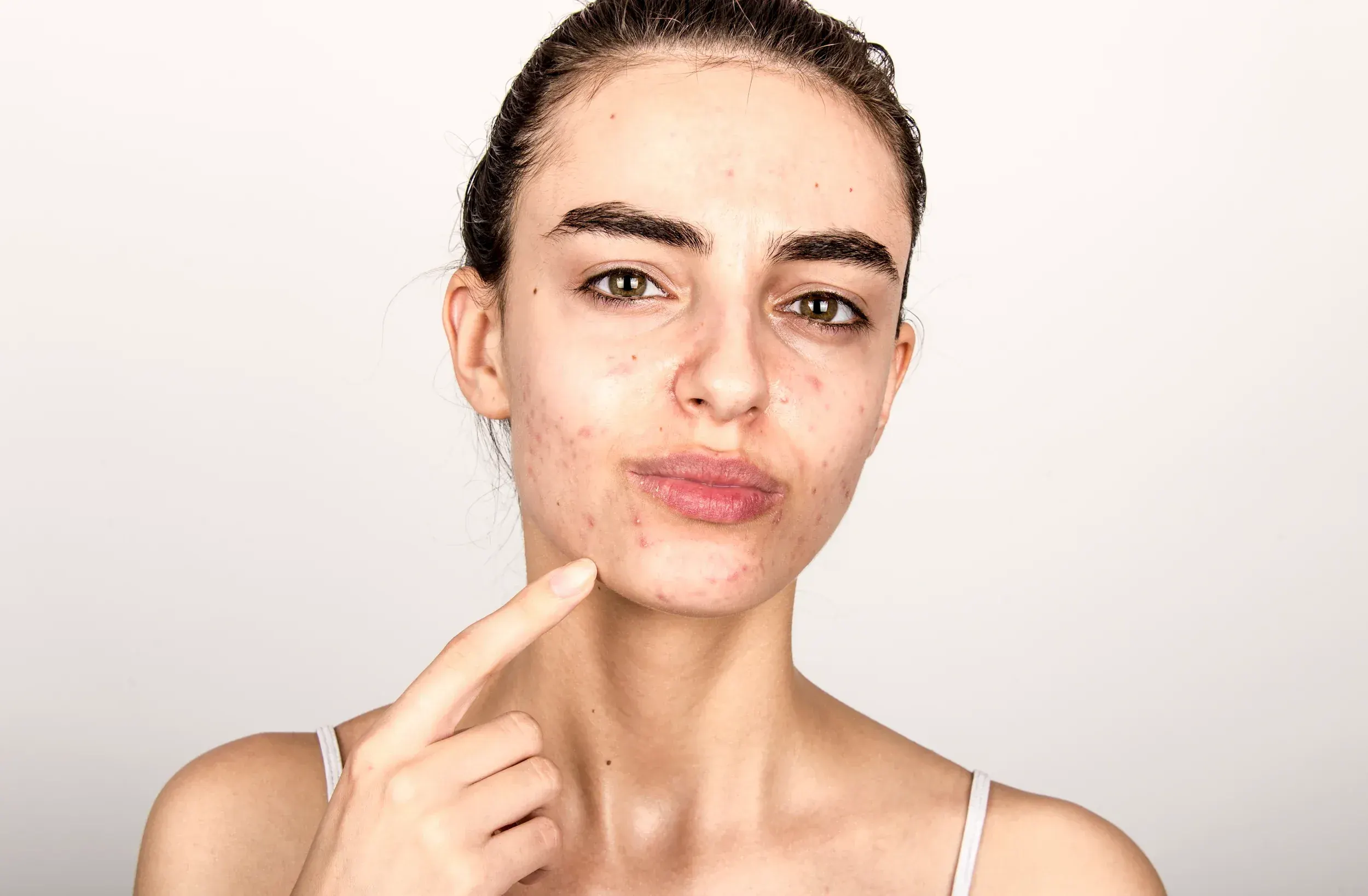
Acne scars form when inflammation reaches deep into the dermis. During severe or cystic breakouts, the wall of the hair follicle ruptures, spilling bacteria and debris into surrounding tissue. The body responds with an aggressive inflammatory cascade that can damage collagen, elastin, and the underlying support structure of the skin. As healing finishes, the dermis is left with either too little tissue (atrophic scars such as ice-pick, boxcar, and rolling scars) or too much (hypertrophic scars).
According to the American Academy of Dermatology, atrophic acne scars are the most common type and respond best to treatments that stimulate new collagen at the depth where the damage occurred. This is precisely why Exion RF Microneedling is one of the most effective in-office options: it delivers radiofrequency energy directly into the dermis at controlled depths, triggering remodeling without disrupting the surface skin.
Surface texture concerns, dullness, enlarged pores, and post-inflammatory hyperpigmentation, are slightly different mechanisms. They are driven by slowed cellular turnover, sun damage, and lingering pigment from healed lesions. Surface-focused devices such as Exion Clear RF address these layers, while deeper RF microneedling rebuilds the structural foundation underneath.