
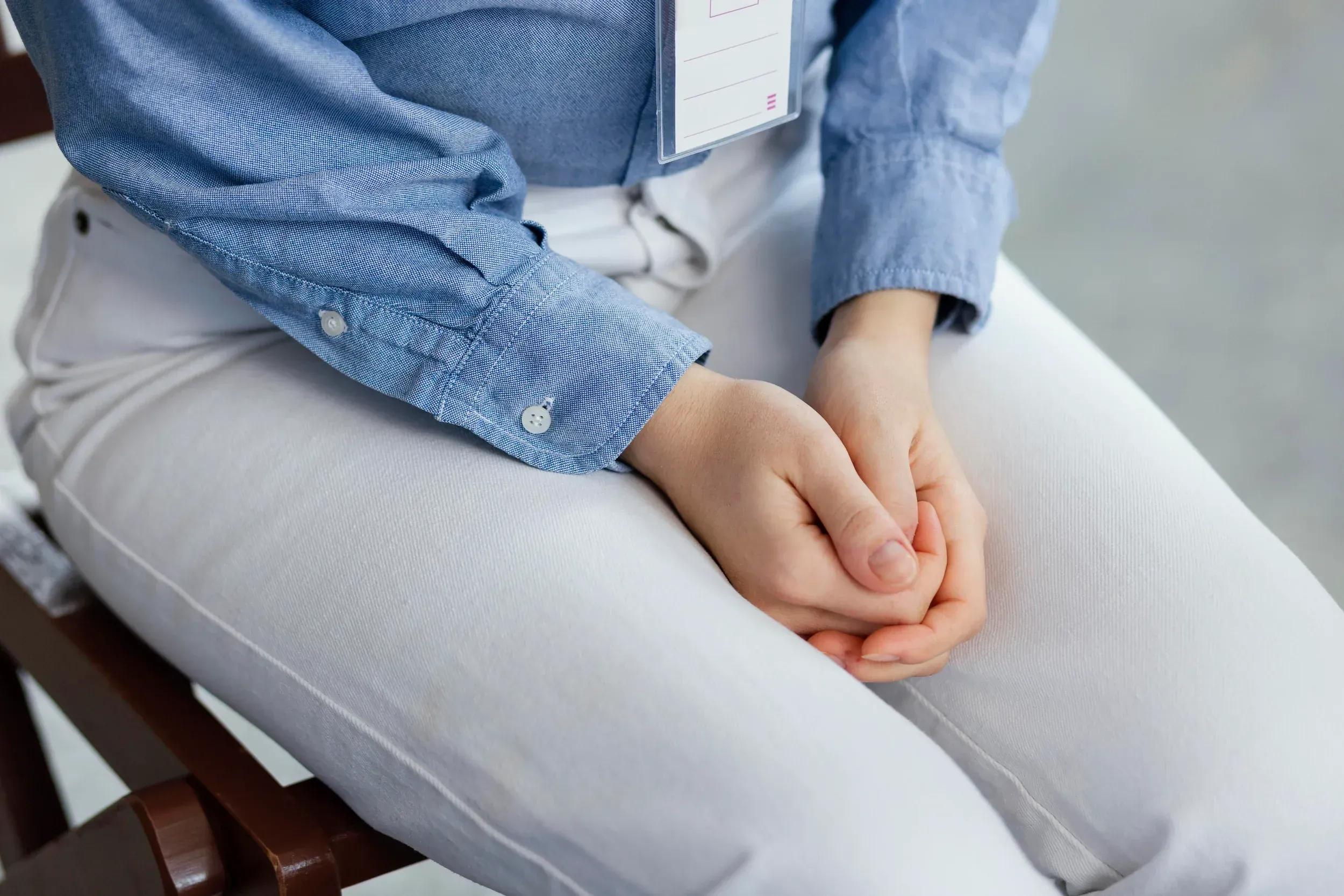


Confident adult patient at Heritage Wellness & Med Spa Crescent Springs Kentucky

Urinary Incontinence Treatment in Crescent Springs, KY

Reclaim Confidence and Bladder Control

Common In:Women and Men
Primary Causes:Pelvic floor weakness, age, childbirth
Treatment Time:28 minutes per session
Results:2 to 4 weeks
Educational visual of pelvic floor support at Heritage Wellness & Med Spa

What Is Urinary Incontinence?

Recognizing the Signs

Urinary incontinence is the involuntary loss of urine caused by a weakened pelvic floor, an overactive bladder, or a combination of both. It is one of the most underreported conditions in adult care because it feels embarrassing to discuss, yet it affects roughly one in three women over age 30 and a meaningful share of men, especially after prostate surgery.

When you feel that small leak with a cough, sneeze, or laugh, or when you suddenly cannot reach the bathroom in time, you are experiencing the two most common patterns: stress urinary incontinence and urge incontinence. Both are tied to the strength and coordination of your pelvic floor muscles, the hammock of tissue that supports your bladder, urethra, and pelvic organs.

Many of our Crescent Springs patients describe planning their day around bathroom locations, avoiding workouts, or skipping social events because of leaks. You are not alone, and surgery is rarely the first or only answer. Non-invasive options now make it possible to rebuild pelvic floor strength while you stay fully clothed and seated.

Anatomical illustration of pelvic floor support at Heritage Wellness & Med Spa Crescent Springs

Why Bladder Leakage Happens

Understanding the Root Causes

Continence depends on the coordinated function of three structures: the bladder muscle (detrusor), the urethral sphincters, and the pelvic floor muscles that wrap around them. A healthy pelvic floor contracts thousands of times each day to keep urine in place during pressure spikes from movement, coughing, or laughing. When these muscles weaken or lose neuromuscular coordination, those small pressure events become leaks.

According to the National Institute of Diabetes and Digestive and Kidney Diseases, urinary incontinence affects roughly one in three women at some point and is increasingly common in men after prostate surgery. The condition is rarely caused by a single issue: pregnancy, childbirth, menopause, prostatectomy, chronic constipation, and high-impact activity all contribute over time.

The encouraging news is that pelvic floor weakness is a muscle problem, and muscles respond to training. Pelvic Floor Therapy with Emsella uses high-intensity focused electromagnetic (HIFEM) energy to trigger thousands of supramaximal contractions per session, far more than you can produce voluntarily, restoring tone and neuromuscular control without needles, surgery, or undressing.

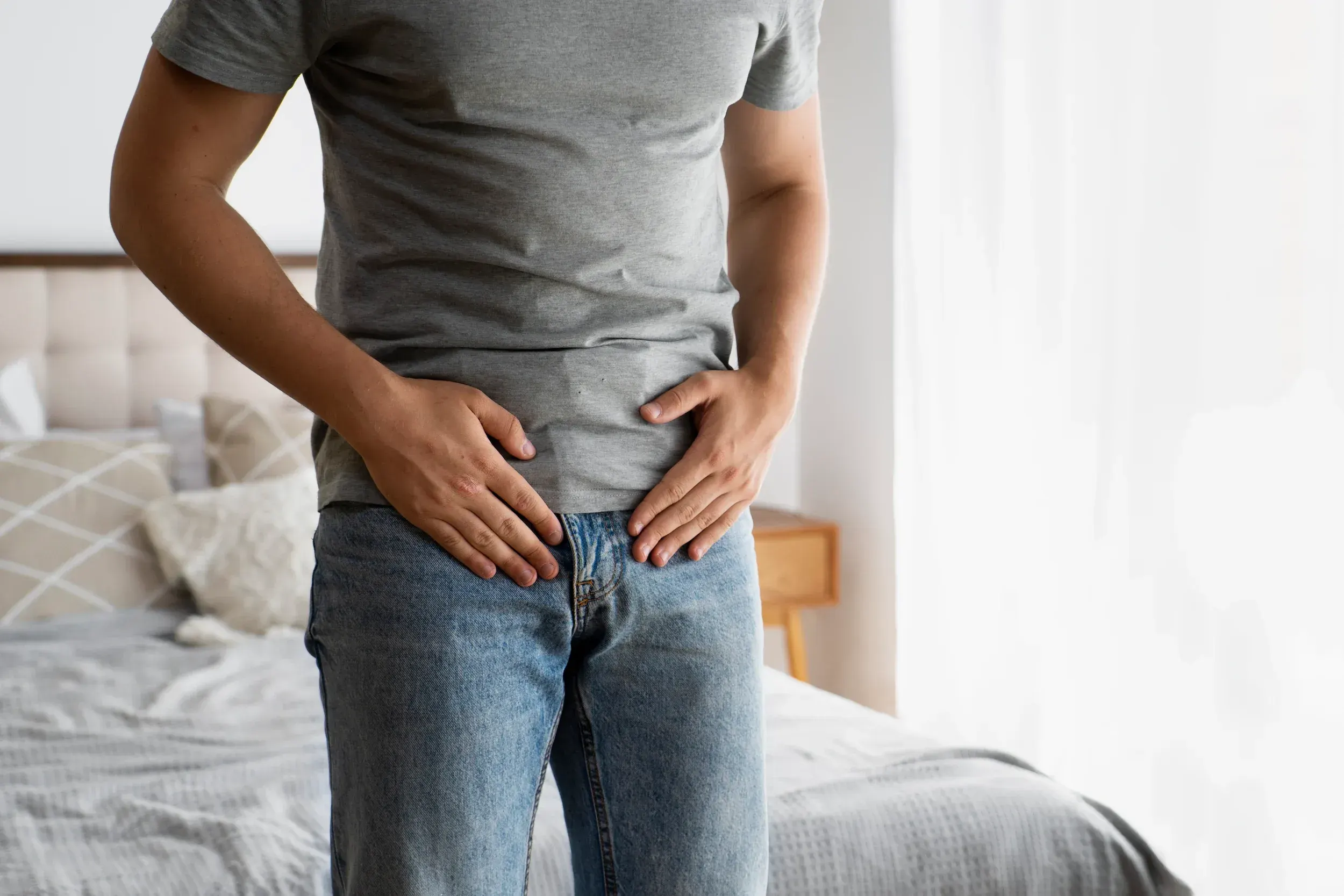
Diagram showing core and pelvic floor connection at Heritage Wellness & Med Spa

Pelvic Floor and Core Connection

How the Whole Core Affects Bladder Control

The pelvic floor does not work alone. It is the bottom of a four-sided cylinder that includes your deep abdominal wall, the diaphragm above, and the small stabilizing muscles of the lower back. When any side of this cylinder weakens, the pelvic floor compensates and eventually fatigues. This is why core weakness, diastasis recti after pregnancy, and abdominal surgery often correlate with new or worsening leakage.

The American Urological Association recognizes pelvic floor muscle training as a first-line, evidence-based therapy for stress urinary incontinence in both women and men. Traditional Kegels can help, yet most adults perform them incorrectly or cannot recruit the deeper muscle fibers that matter most. Device-assisted therapy bypasses this learning curve by stimulating the right fibers automatically.

For patients with combined core and pelvic concerns, our Core and Floor program pairs Emsculpt Neo for the deep abdominal wall with Emsella for the pelvic floor. Treating both halves of the cylinder together produces more durable results than addressing either alone, particularly for postpartum patients and men recovering from prostatectomy.

Lifestyle and health factors affecting bladder control at Heritage Wellness & Med Spa Crescent Springs

What Accelerates Urinary Incontinence?

Identifying Your Triggers

01

Age-Related Muscle Loss

Pelvic floor muscles lose tone and neuromuscular coordination with age, just like every other muscle group in the body.

02

Pregnancy and Childbirth

Vaginal delivery stretches and can injure the pelvic floor, leaving lingering postpartum leaks that often worsen with each pregnancy.

03

Prostate Surgery

Prostatectomy commonly disrupts the urethral sphincter, producing post-prostatectomy stress incontinence in many men.

04

Menopause and Hormones

Declining estrogen thins urethral and vaginal tissue, reducing the seal that keeps urine in during pressure spikes.

05

Pelvic or Abdominal Surgery

Hysterectomy, hernia repair, and abdominal procedures can alter pelvic support and accelerate weakness.

06

Neurological Conditions

Multiple sclerosis, Parkinson's, diabetes, and nerve damage interfere with the signals that coordinate bladder control.

Heritage Wellness & Med Spa clinic interior in Crescent Springs Kentucky

Why Choose Heritage Wellness & Med Spa for Urinary Incontinence Care in Crescent Springs, KY

Expert Care in Crescent Springs

  • Discreet, Judgment-Free Care
  • FDA-Cleared BTL Emsella
  • Integrated Core and Floor
  • Personalized Protocols

Treatment Options Comparison

Finding Your Best Approach

Treatment Best For Session Time Results Timeline Maintenance
Pelvic Floor Therapy with Emsella Stress, urge, mixed incontinence 28 minutes 2 to 4 weeks Quarterly touch-up
Pelvic Floor Therapy with Emsella Post-prostatectomy leakage 28 minutes 4 to 6 weeks Quarterly touch-up
Core and Floor Postpartum core plus pelvic floor 60 minutes total 4 to 8 weeks Twice yearly
Adult patient considering bladder control options at Heritage Wellness & Med Spa

You May Be Experiencing Urinary Incontinence If...

Recognizing When to Seek Help

  • Leaks With Cough or Sneeze
  • Sudden Urge to Urinate
  • Frequent Bathroom Trips
  • Post-Prostatectomy Leaks
  • Postpartum Leakage
  • Activity Avoidance

Frequently Asked Questions

About Urinary Incontinence

01 What causes bladder leakage?

Bladder leakage is most often caused by a weakened or poorly coordinated pelvic floor combined with changes to the urethral sphincter. Pregnancy, childbirth, menopause, prostate surgery, chronic constipation, and natural aging are the most common contributors. Identifying which factors apply to you guides the treatment plan.

02 What are the types of urinary incontinence?

The three main types are stress incontinence (leaks with cough, sneeze, laugh, or activity), urge incontinence (sudden, strong need to urinate), and mixed incontinence (a combination of both). Overflow and functional incontinence are less common. Emsella is FDA-cleared for stress, urge, and mixed types in women and men.

03 Can urinary incontinence be treated without surgery?

Yes. For most patients, non-invasive pelvic floor strengthening is the first-line, evidence-based approach. Emsella delivers thousands of supramaximal contractions in 28 minutes while you stay fully clothed and seated. Surgery is rarely needed when these treatments are completed consistently.

04 Does Emsella work for men after prostate surgery?

Yes. Emsella is FDA-cleared for both women and men, and post-prostatectomy stress incontinence is one of the conditions it is specifically designed to address. Men typically see meaningful improvement within four to six weeks of starting a treatment series.

05 How quickly will I see improvement?

Many patients notice fewer leaks and stronger pelvic awareness within the first two to four weeks of treatment, with continued improvement through a full series. The full effect typically peaks several weeks after the final session as the muscles continue to remodel.

06 Can I do Kegels at home and skip the chair?

Kegels can help, but most adults perform them incorrectly or cannot reach the deeper muscle fibers that matter most for continence. Emsella triggers correct, full-strength contractions automatically, which is why it produces results that home exercises rarely match.

07 Is the treatment painful or invasive?

No. You sit fully clothed on the Emsella chair and feel a tingling sensation along with strong pelvic muscle contractions. There are no needles, no anesthesia, and no recovery time. Most patients return to work or errands immediately afterward.

Location2325 Buttermilk Crossing
Crescent Springs, KY, 41017

Schedule Your Consultation

Scientific References