


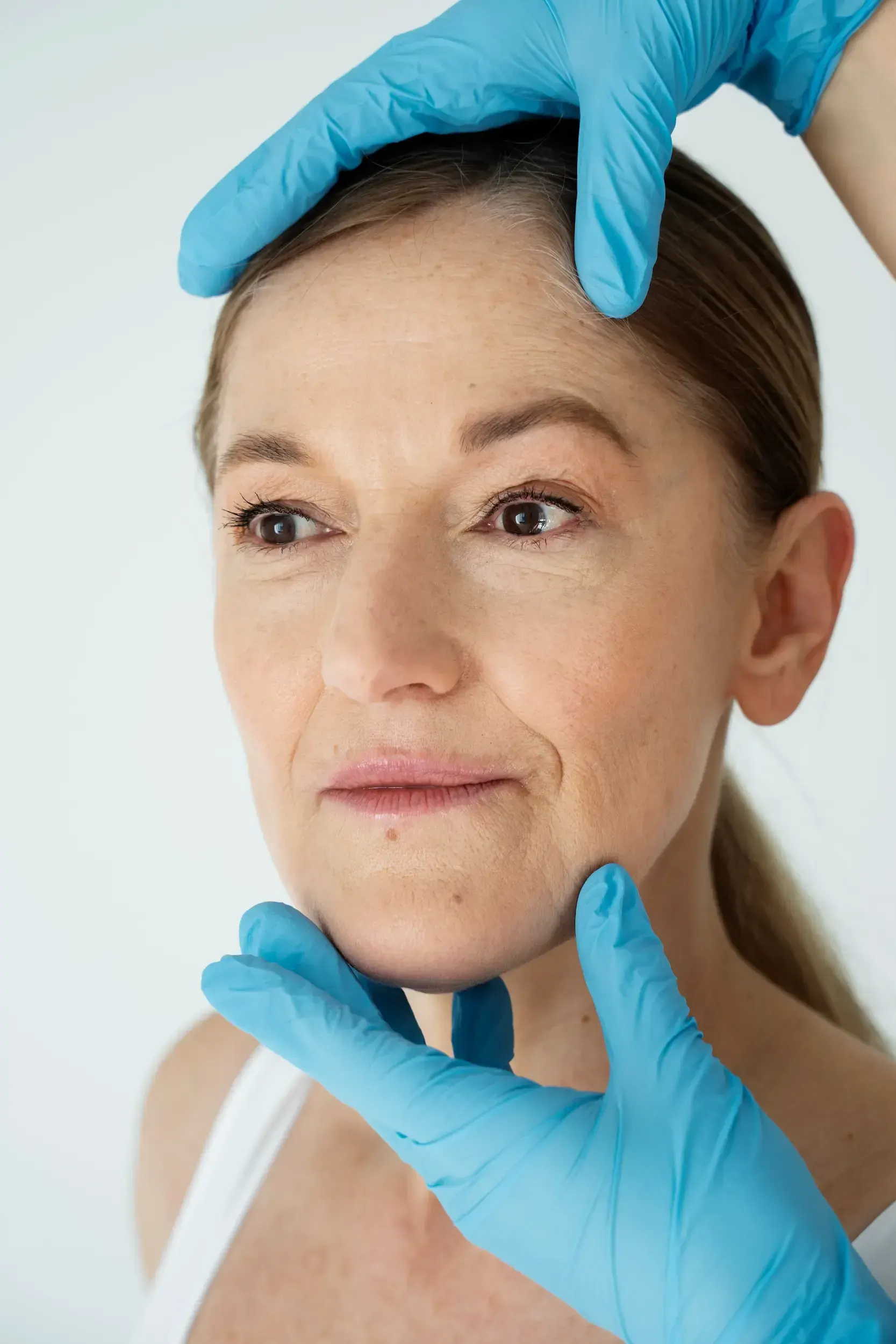
The masseter is one of the strongest muscles in the human body relative to its size, capable of generating bite forces well over 200 pounds. When it contracts repeatedly day and night through clenching or grinding, the muscle responds the way any overworked muscle does: it hypertrophies. The visible result is a wider, more angular lower face. The medical result is jaw soreness, headaches, and accelerated tooth wear.
Stress is the most consistent driver. According to the National Institute of Dental and Craniofacial Research, bruxism is strongly linked to anxiety, stress, and sleep disturbances, with cortisol-driven muscle tension perpetuating the cycle. Many patients clench for years without realizing it because the activity peaks during sleep.
Bite mechanics, caffeine, and certain medications also contribute. When upper and lower teeth do not meet correctly (malocclusion), the jaw works harder to find a stable closing position, increasing masseter activity. Severe cases involving the temporomandibular joint may require evaluation by a dentist or orofacial pain specialist alongside aesthetic muscle relaxation.