


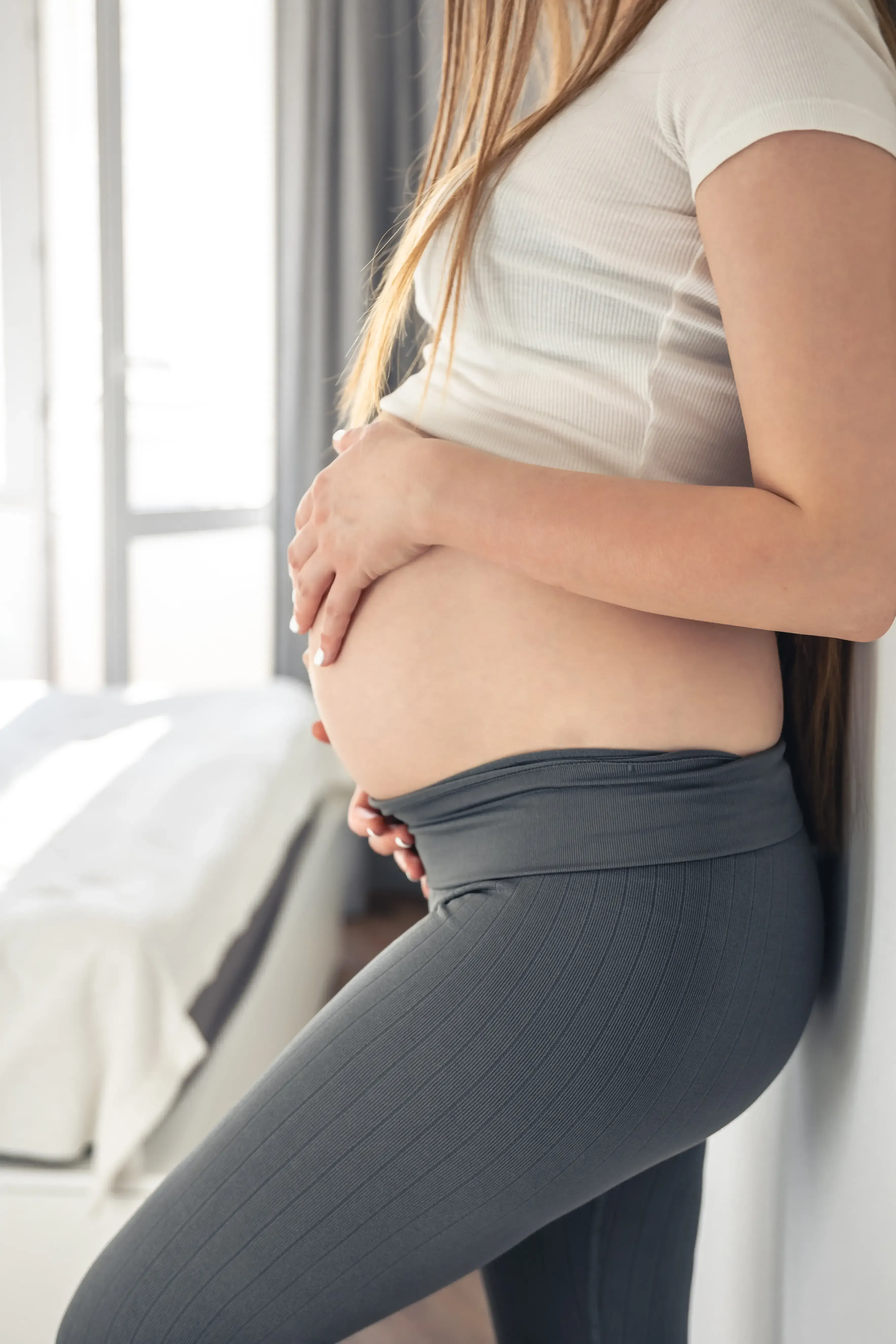
Mother addressing post-pregnancy body changes at Heritage Wellness & Med Spa Crescent Springs

Post-Pregnancy Body Treatment in Crescent Springs, KY

Restore Your Core, Floor and Confidence

Common In:Postpartum Women
Primary Causes:Diastasis recti, hormonal shifts, pelvic floor strain
Treatment Time:20-45 minutes per session
Results:Visible at 4-12 weeks
Close-up visual of post-pregnancy body recovery at Heritage Wellness & Med Spa

What Are Post-Pregnancy Body Changes?

Recognizing the Signs

Post-pregnancy body changes describe the constellation of physical shifts that follow childbirth, including abdominal muscle separation (diastasis recti), pelvic floor weakness, residual fat, loose skin, and persistent core instability. These changes reflect months of biomechanical adaptation, not a personal failing.

When you notice your midsection still looks rounded six months postpartum, leak a little when you sneeze or jump, or feel like your core has lost its connection, you are experiencing the visible and functional signs of post-pregnancy body changes. Many mothers describe their stomach as feeling "empty" or "disconnected," with workouts that no longer move the needle the way they used to.

These concerns are remarkably common and rarely talked about openly. You are not alone in wondering whether the body you had before pregnancy is still reachable, and a thoughtful, evidence-based plan often makes a meaningful difference.

Illustration of postpartum core and pelvic floor recovery at Heritage Wellness & Med Spa Crescent Springs

Why Post-Pregnancy Body Changes Happen

Understanding the Root Causes

During pregnancy, your abdominal wall stretches to accommodate roughly 14 inches of growth, and the linea alba (the connective tissue between the rectus abdominis muscles) thins and widens. In approximately two-thirds of women, this separation, known as diastasis recti, persists beyond eight weeks postpartum without targeted intervention. The National Library of Medicine has published research showing that postpartum diastasis prevalence remains high even at six months, particularly without focused rehabilitation.

The pelvic floor sustains comparable strain. Vaginal delivery stretches these muscles by up to 250%, and cesarean recovery introduces scar tissue that can alter core mechanics. Hormonal shifts (specifically the drop in relaxin and the changes in estrogen) further influence connective tissue tone, contributing to the characteristic feeling of "looseness" in the abdomen and pelvis. Targeted programs like Core and Floor are designed to address both layers simultaneously.

Body composition changes compound the picture. Hormonal fluctuations alter where fat is stored and how easily it is mobilized, while sleep deprivation and elevated cortisol can slow metabolic recovery. The result is a body that often does not respond to diet and exercise the way it did before, even with consistent effort.
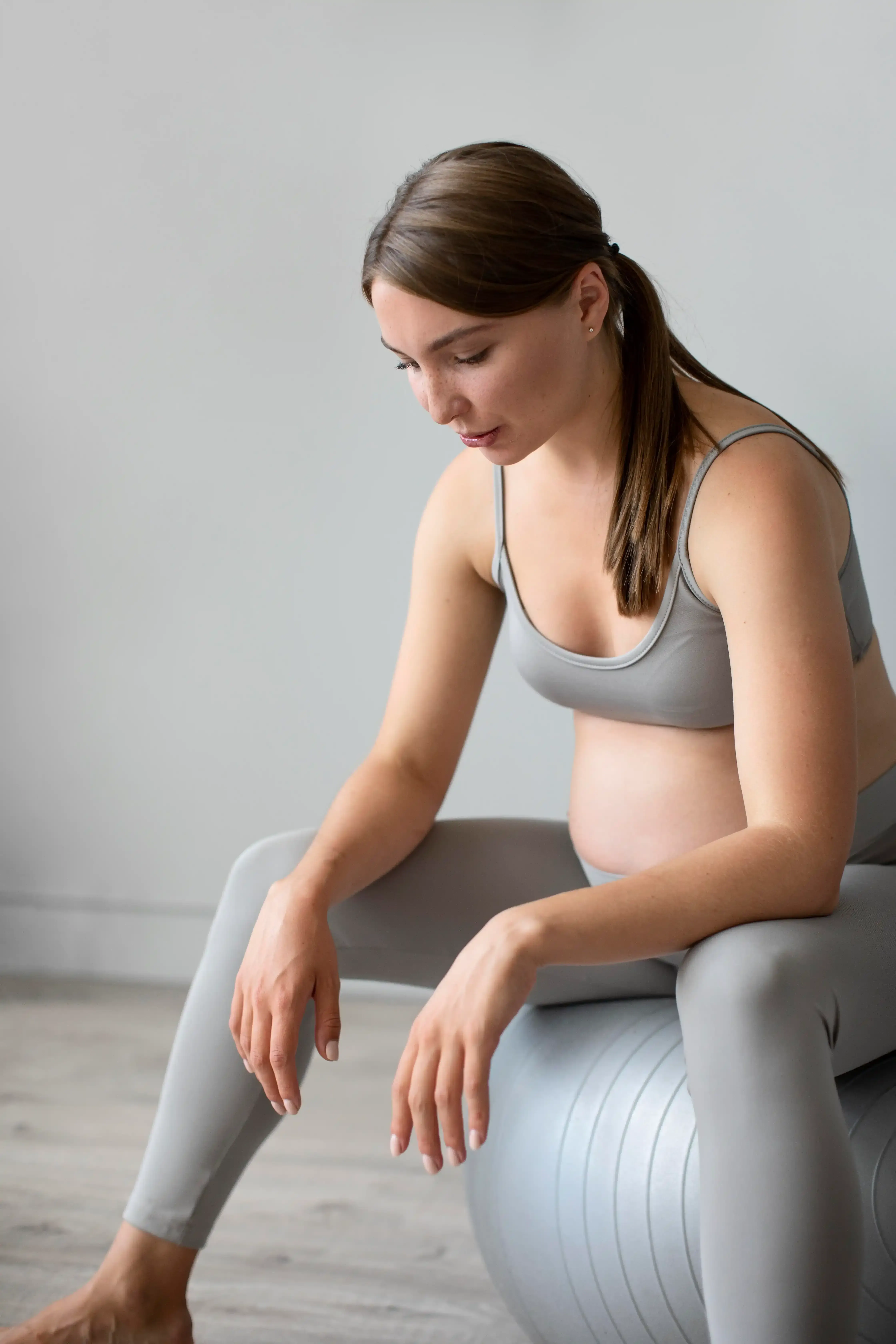
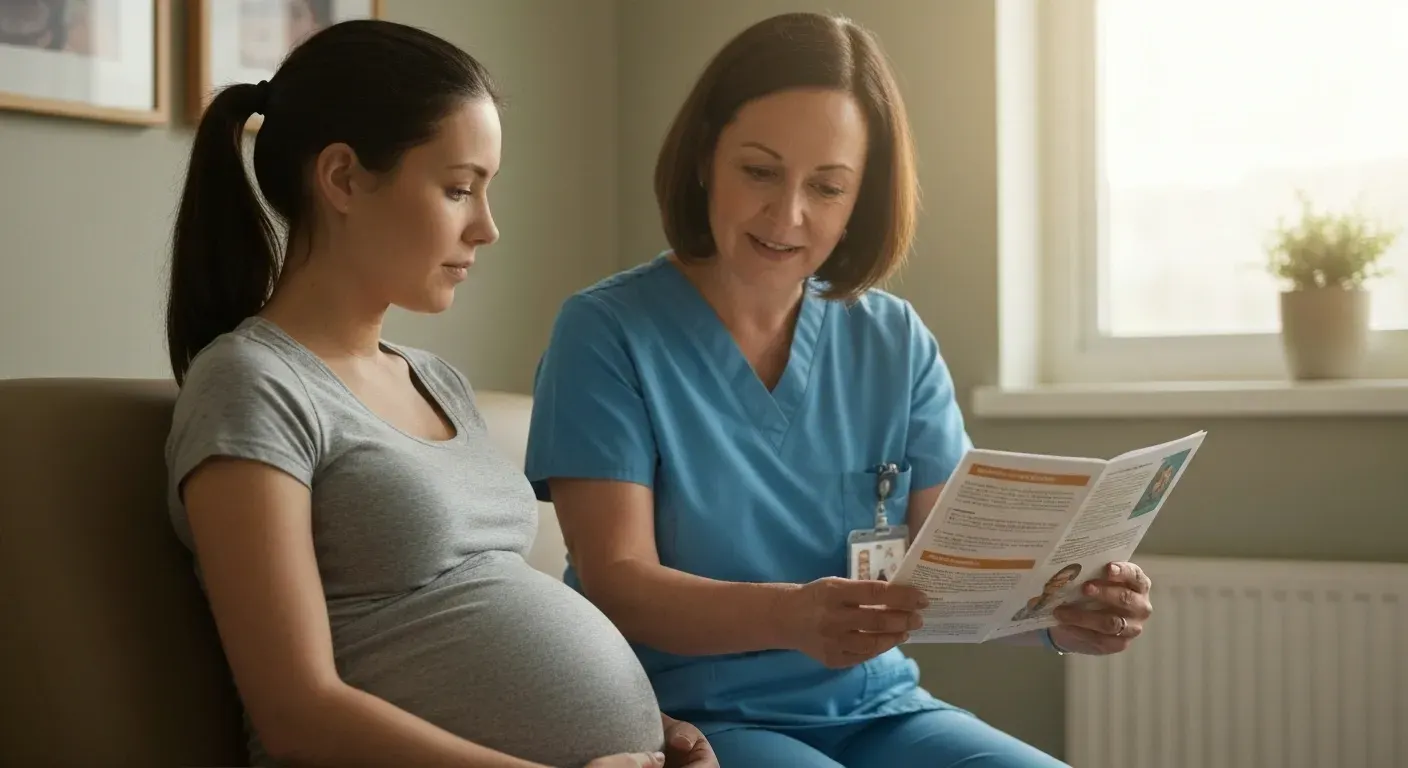
Diagram showing diastasis recti and pelvic floor anatomy at Heritage Wellness & Med Spa

Diastasis Recti and Pelvic Floor Coordination

How Core Separation Affects Function

The deep core operates as a synchronized canister: the diaphragm at the top, the transverse abdominis around the sides, the multifidus along the spine, and the pelvic floor at the base. When pregnancy stretches the abdominal wall and the pelvic floor, this canister loses its coordinated pressure management, leading to the bloated, unsupported feeling many mothers describe.

Diastasis recti is not just a cosmetic concern. The widened linea alba reduces force transfer through the trunk, which can contribute to lower back pain, hip discomfort, and difficulty regaining athletic performance. Strengthening these layers in the right sequence matters more than working harder at traditional crunches, which can sometimes worsen separation.

Skin and subcutaneous tissue also remodel slowly after delivery. Stretch marks, residual laxity, and stubborn fat pockets respond best to a layered approach that combines muscle re-education, body contouring, and skin tightening rather than any single intervention. Treatments such as Emsculpt Neo can complement focused rehabilitation by stimulating muscle and reducing fat in the same session.

Lifestyle factors affecting postpartum body recovery at Heritage Wellness & Med Spa Crescent Springs

What Drives Post-Pregnancy Body Changes?

Identifying Your Triggers

01

Diastasis Recti

The linea alba thins during pregnancy and may not fully close on its own, leaving a visible gap and weakened core.

02

Hormonal Changes

Drops in relaxin, estrogen, and progesterone alter connective tissue tone, fat storage, and metabolic rate after delivery.

03

Weakened Pelvic Floor

Vaginal delivery and the weight of pregnancy stretch pelvic floor muscles, leading to leakage, prolapse symptoms, and instability.

04

Cesarean Recovery

Surgical scar tissue and disrupted fascial layers can limit core engagement and create lingering tightness or numbness.

05

Pregnancy Weight Changes

Rapid weight gain and loss alter where fat is stored, often leaving stubborn deposits around the abdomen and hips.

06

Sleep and Stress Load

Disrupted sleep and elevated cortisol slow tissue repair, muscle rebuilding, and metabolic recovery in the postpartum period.

Heritage Wellness & Med Spa clinic interior in Crescent Springs Kentucky

Why Choose Heritage Wellness & Med Spa for Post-Pregnancy Body Care in Crescent Springs, KY

Expert Care in Crescent Springs

  • Mom-Centered Assessment
  • Flagship Core and Floor Program
  • FDA-Cleared BTL Technology
  • Judgment-Free Environment

Treatment Options Comparison

Finding Your Best Approach

Treatment Best For Session Time Results Timeline Maintenance
Core and Floor Core plus pelvic floor recovery 45 minutes 4-8 weeks Quarterly touch-ups
Emsculpt Neo Abdominal core and fat reduction 30 minutes 4-12 weeks Every 3-6 months
Pelvic Floor Therapy with Emsella Leakage and pelvic floor strength 28 minutes 2-6 weeks Monthly or as needed
Emtone Postpartum cellulite and skin firming 20 minutes 6-12 weeks Every 6 months
Mother evaluating postpartum body recovery at Heritage Wellness & Med Spa Crescent Springs

You May Be Experiencing Post-Pregnancy Body Changes If...

Recognizing When to Seek Help

  • Abdominal Weakness or Separation
  • Urinary Leakage
  • Loose Abdominal Skin
  • Stretch Marks
  • Prolapse Symptoms
  • Persistent Lower Back Pain

Frequently Asked Questions

About Post-Pregnancy Recovery

01 When can I start postpartum body treatments after giving birth?

We typically wait until you are at least six weeks postpartum and have received clearance from your OB or midwife. For cesarean recoveries or complicated deliveries, we may wait longer to ensure incisions and tissues are fully healed.

02 What helps postpartum body changes the most?

A layered plan works best: rebuild the deep core and pelvic floor first, then address fat, skin laxity, and cellulite. Our Core and Floor program combines Emsculpt and Emsella to target both foundational layers in one session.

03 How can I restore my core if I have diastasis recti?

Avoid traditional crunches and start with breathing-led core re-education. Many patients see meaningful closure with consistent diaphragm and transverse abdominis work, supported by Emsculpt Neo to rebuild muscle thickness.

04 Will treatments help if I am still breastfeeding?

Many of our postpartum-friendly treatments, including Emsculpt Neo, Emsella, and Emtone, are compatible with breastfeeding. We always confirm timing and individual safety considerations during your consultation.

05 How long does it realistically take to see results?

Most patients notice initial changes in tone and strength within 2-4 weeks, with peak results typically appearing at 8-12 weeks. Recovery timelines vary based on delivery type, time since birth, and consistency of treatment.

06 Can these treatments help with urinary leakage?

Yes. Emsella delivers thousands of supramaximal pelvic floor contractions per session, and many patients report meaningful improvement in stress incontinence within a few sessions. We will assess your specific symptoms during consultation.

07 Do I have to lose all the baby weight before starting?

No. Our treatments are designed to support recovery at any postpartum stage. Many mothers find that rebuilding core strength and reducing stubborn fat actually accelerates their overall fitness progress.

Location2325 Buttermilk Crossing
Crescent Springs, KY, 41017

Schedule Your Consultation

Scientific References